50 Items You Should Never Put Down the Drain
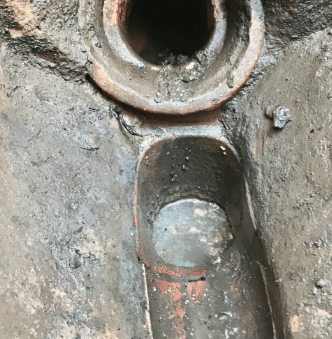
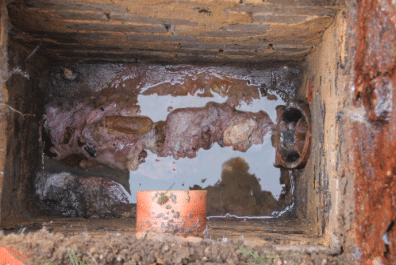
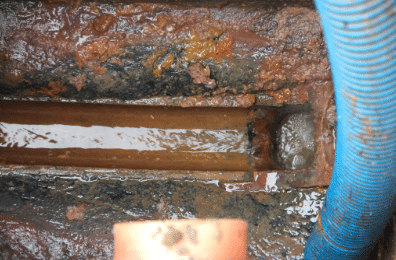
These are genuine ASL photographs showing a heavily contaminated drainage system with an interceptor in the final chamber. An interceptor drops below the normal channel level, rather like a large trapped gully, before the flow rises again on the outlet side.
Grit, grease and other material that does not break down can accumulate within the drainage system and at the interceptor. In this particular job, ASL removed the accumulated material rather than simply pushing it further downstream.
What Should You Never Put Down the Drain?
Short answer: fats, oils and starchy food waste (pasta, rice, flour, potato peel) cause more blockages than anything else, as they swell up or set solid in the pipe. Close behind: anything the packet calls “flushable” that really isn’t. This includes wipes, cat litter, cotton buds, and hard or fibrous stuff like eggshells, bones and celery that just never breaks down.
Please note especially if you have an interceptor. Look after what goes down your drains and you’ll save yourself real money, plus years of extra life out of your pipes. ASL’s engineers have cleared hundreds of blockages, domestic and commercial, and it’s always the same handful of culprits. Here’s the full list, grouped by type, with what to actually do with each one instead.
Get in touch: Call 0800 181684
What Food Waste Should Never Go Down the Drain?
- Fats, oils and grease. Seems harmless to rinse it out of the pan while it’s still warm. The problem is, it doesn’t stay liquid. It cools, congeals, and builds up in layers which is exactly how “fatbergs” happen. Thames Water once pulled a 10-tonne one out of the sewers. Let it cool, tip it into an old tub, bin it.
Expert Insight: Customers often tell us, quite genuinely, that they never pour fat or grease down the drain. But it can still enter the drainage system during normal washing-up. Grease left on plates and cooking utensils is washed into the kitchen sink, while a dishwasher uses hot water that can carry fats and grease into the drainage system.
As that water cools further along the drain, the fats and grease can start to accumulate. Where an interceptor is fitted, material can also build up around the trapped section.
Not every drainage system has an interceptor. Grit, gravel and other hard material that does not break down can also remain within ordinary drainage pipework and may need to be removed by proper cleaning and high-pressure water jetting.
- Celery. String-like fibres that wrap around anything else already in there. A nightmare to clear once it’s caught. Bin it, or compost it.
- Corn husks. Same problem as celery, fibrous and stubborn, and worse if the two end up down there together.
- Coffee grounds. They look harmless enough going down, but they build into a sludgy layer over time and eventually choke the flow completely. Scrape them into food waste or the compost instead.
- Pasta. Drained water makes it swell. Enough of it and you’ve got a solid, smelly mass on your hands. Just bin the leftovers.
- Potato peel. Struggles even in a waste disposal unit, let alone your pipes. Sticks together, rots slowly, smells terrible. Scrape it into the bin before you wash up, not after.
- Rice. Same swelling problem as pasta. It’s why you’re told not to feed dried rice to birds. Down a drain it clumps into a sticky mass that doesn’t want to shift.
- Egg shells. Brilliant on the compost, useless in a pipe. The fragments don’t break down, they just accumulate and slowly narrow everything.
- Fruit pits. Tough enough to survive a waste disposal blade, so water flow doesn’t stand a chance. Takes years for these to break down naturally, which is a long time to sit in a drain. Bin them or compost them.
- Orange and lemon rinds. Smell lovely, work as a natural deodoriser, but they catch on to other debris and are a pain to remove once stuck. Compost or bin instead.
- Flour. Mix it with water and, unsurprisingly, you get a gloopy paste. That paste hardens once it’s lining a pipe. Bin the leftovers, then wipe surfaces dry rather than rinsing them.
- Bones. Won’t break down, wedge easily, and can actually damage the pipework on the way. Bin, always.
- Dairy products. Milk and cream need a lot of oxygen to break down once they hit a watercourse, and that starves everything else living in it. Businesses have been fined for this. Buy what you’ll actually use, and tip leftovers into food waste.
- Seeds and grains. Swell and clump, same as rice and pasta. Bin them, compost them, or leave them out for the birds.
- Pumpkin. All that stringy flesh from carving is as much of a nightmare for your pipes as it is for your kitchen worktop. Compost it or leave it out for the wildlife.
- Asparagus. Another stringy one that snags on whatever else is down there. Compost or bin, don’t rinse it away.
- Raw meat. Scraps that make it into the drain rot in place, and the smell arrives well before any actual blockage does. Scrape plates into the bin first.
- Carrot peelings. Same story as potato peel, catches debris, builds up over time. Bin or compost.
- Onion skins. People tend to push these down the plughole rather than pick them out, but they’re tough and resist breaking down, forming an actual barrier in the pipe.
- Dead fish. Flushing the family goldfish is a tradition in a lot of homes, but fish don’t break down in water any better than anything else solid. A proper burial’s kinder to your pipes.
- Food stickers. Those little plastic labels on fruit stick to pipe walls and clog filters at treatment plants. Peel them off before the food goes anywhere near the sink or bin.
- Chewing gum. Doesn’t dissolve. Clings to the inside of the pipe and catches everything that comes after it. Bin it, never flush or rinse.
What Household Chemicals Should Never Go Down the Drain?
- Cleaning solutions. Won’t necessarily cause a physical blockage, but the phosphates and other chemicals in antibacterial sprays are genuinely harmful once they hit the water system. Worth switching to organic or eco-certified products where you can.
- Paint. Do not pour leftover paint into the drainage system. It may be poured down a kitchen sink, but from our experience it can also enter through the kitchen gully outside, particularly when brushes, rollers, trays or containers are being washed. Leftover paint should be disposed of correctly rather than washed into either a foul or surface-water drain.
- Medicines. Unused, expired, or just don’t want them anymore, it doesn’t matter, they go to a pharmacy, never the sink or toilet. Flushed medication is a real risk to water quality and aquatic life.
- Motor oil. Easy to forget about, you’ve been under the bonnet, come in, and rinse your hands at the kitchen sink. But motor oil does the same damage cooking oil does, arguably worse. Wipe your hands clean with disposable cloths or suitable wipes instead.
- Solvents. Toxic to aquatic ecosystems, same category as paints and cleaning chemicals. Follow the label’s disposal instructions every time.
- Garden chemicals. Pesticides, fungicides, and herbicides can damage marine life and your own drainage system. Dispose of exactly as directed.
- Corrosive drain cleaners. The “instant unblocker” products are often corrosive enough to damage the pipe itself, so you can end up trading a simple blockage for an expensive repair. Use sparingly, if at all.
- Flammable or explosive substances. Shouldn’t need saying, but never pour anything flammable down a drain. It’s a safety hazard first, a plumbing one second. Follow the label, or use a household hazardous waste facility.
What Bathroom and Hygiene Items Should Never Be Flushed?
- Condoms. Don’t break down in water, cause blockages in the pipe, and if they make it as far as the ocean, they’re a genuine risk to marine animals. Bin them.
- Sanitary items. Built to absorb moisture, which is exactly why they expand once flushed and cause some of the worst blockages out there. Provide a bin, use it.
- Paper towels. Biodegradable eventually, not quickly enough to matter. They absorb water and clog a pipe long before they ever break down. Bin them, or switch to washable cloths.
- “Flushable” wipes. Whatever it says on the packet, wipes don’t fall apart like toilet paper does. They’re one of the biggest single contributors to sewer fatbergs. If it’s not pee, poo or paper, it doesn’t go down the loo.
- Cotton balls and buds. Same story as sanitary items, they absorb moisture and clump rather than break down. Bin, always.
- Nappies. Built to absorb and expand, which makes them about the worst possible thing to flush, and yet enough of them turn up in the sewer system to prove people still try.
- Dental floss. Easy to flush without a second thought, but it wraps around other debris and causes real tangles further down the pipe. Bin it instead.
- Cigarette butts. Wastes a lot of water and causes blockages directly. A proper ashtray does the job better.
- Hair. From the shower or the sink, it tangles with everything else and is one of the most common reasons water drains slowly. A cheap drain guard catches most of it before it’s a problem.
- Contact lenses. Contact lenses should be binned rather than washed down the sink or flushed down the toilet. They do not simply disappear. Small hard materials can remain in the drainage system, collecting with grit and other debris or accumulating around an interceptor where one is fitted.
- Plasters. Non-biodegradable plastic. Won’t break down in a drain any more than it would in landfill, it’s just the wrong bin entirely. Use the right one.
- Cosmetic products. Old foundation or concealer poured down the sink coats the inside of the pipe and builds up over time. Bin what you don’t want.
What Else Should Never Go Down the Drain?
- Razor blades. Never put razor blades or other blades into a drain through a sink, kitchen gully or toilet. Apart from the drainage problem, there is a safety issue that is easily overlooked. Eventually somebody may have to work on that drain. Even wearing protective gloves, a drainage operative, particularly someone inexperienced, could be injured by a hidden blade while working in an already contaminated environment.
- Needles and sharps. No exceptions here. Serious risk to your plumbing and to anyone who might come across them later. Proper sharps box, from a pharmacy or hospital.
- Plastic bags, wrapping and cardboard. None of it breaks down in water, all of it causes blockages. Recycling or general waste, never the drain.
- Rags. Tempting to flush, but fabric doesn’t fall apart like toilet paper, as it catches on everything else down there. Bin it.
- Fabric softener sheets. Small enough to seem flushable, just as damaging as any other fabric. Bin used sheets.
- “Flushable” cat litter. Even the litter marketed as flushable isn’t fully broken down by water treatment, and cat faeces can carry parasites that are genuinely dangerous, particularly for pregnant women. Causes real problems in septic tanks too. Bin it, always.
- Children’s toys. Lego, car keys, dolls, you’d be surprised that more of it ends up flushed than you’d expect, and it’s a genuinely common cause of serious blockages in UK homes. Worth a quiet word with any kids in the house.
- Knives, forks and other cutlery. You might think nobody would put a fork down a drain, but ASL has actually found one. The photograph is from a genuine ASL job on 18 April 2017, where a fork was found lodged in the drainage system. A rigid object like this can catch paper and other material passing through the drain and help turn one object into a much larger blockage.
What If My Drain Is Already Blocked?
If something on this list has already made its way down there, skip the corrosive drain cleaner as it’s more likely to damage the pipe than fix the problem. ASL’s engineers can diagnose and clear it properly, with a free 10-minute CCTV look-see thrown in so you actually know what caused it.
Call our team on 0800 181684 for a quote, or get in touch online.
FAQs
What’s the single biggest cause of blocked drains?
Fats, oils and grease, FOG for short. Seems harmless going down warm, but it solidifies in the pipe and builds up over time. That’s how you end up with a fatberg.
Are “flushable” wipes actually safe to flush?
No, whatever the packet says. Most wipes don’t break down the way toilet paper does, and they’re one of the biggest causes of blockages and fatbergs out there.
Can I use a corrosive drain cleaner to fix a blockage myself?
Worth thinking twice. A lot of these products are strong enough to damage the pipe itself, and then you’ve got a bigger repair job than the blockage you started with. A professional unblock is usually the safer bet.
What should I do if I’ve already put something on this list down the drain?
If the water’s draining slowly, or something’s clearly building, get it looked at before it turns into a full blockage. ASL can clear it and confirm what caused it with a quick CCTV check.
Related Reading
If your sewage pump has started alarming, stopped working properly, or is causing sewage to back up, one of the first questions is always: can this be repaired, or does it need replacing? Read our practical guide for homeowners on when to repair vs replace your sewage pump.
Find out how an annual drainage health check can prevent future damage to your systems in our guide for homes, commercial sites, schools, and larger properties across Guildford and the surrounding areas: the annual drainage health check.
Need advice or support?
Call us today
We're always here to help – no obligation, just guidance. We cover Surrey, Berkshire, Hampshire, West Sussex and South West London.
Contact Us
Get in touch today
You can call us on 0800 181 684, email info@asllimited.co.uk or use the form below: