
Pump stations: the hidden dangers and why maintenance matters.
Most people don't think about their pump station, until it goes wrong.
When it does, it's usually messy, smelly, and urgent.
You'll often hear this:
"It's been fine for years, until it suddenly overflowed."
But it doesn't suddenly go wrong.
It builds up slowly. Rag, fat, grit, and scale, until the pump can't cope.
The problem you don't see, until it's too late.
Your pump station is tucked away, often out of sight, buried, or behind a shed.
But it handles everything from your house:
- Toilets
- Showers
- Kitchen waste
- Fat, soap, grit, grease
- Sanitary products (that shouldn't be there!)
These things sink, float, clump, and get stuck.
When the pump's overloaded or the floats don't trigger, the chamber fills. Then the next thing you know, sewage is backing up into your garden or bathroom.
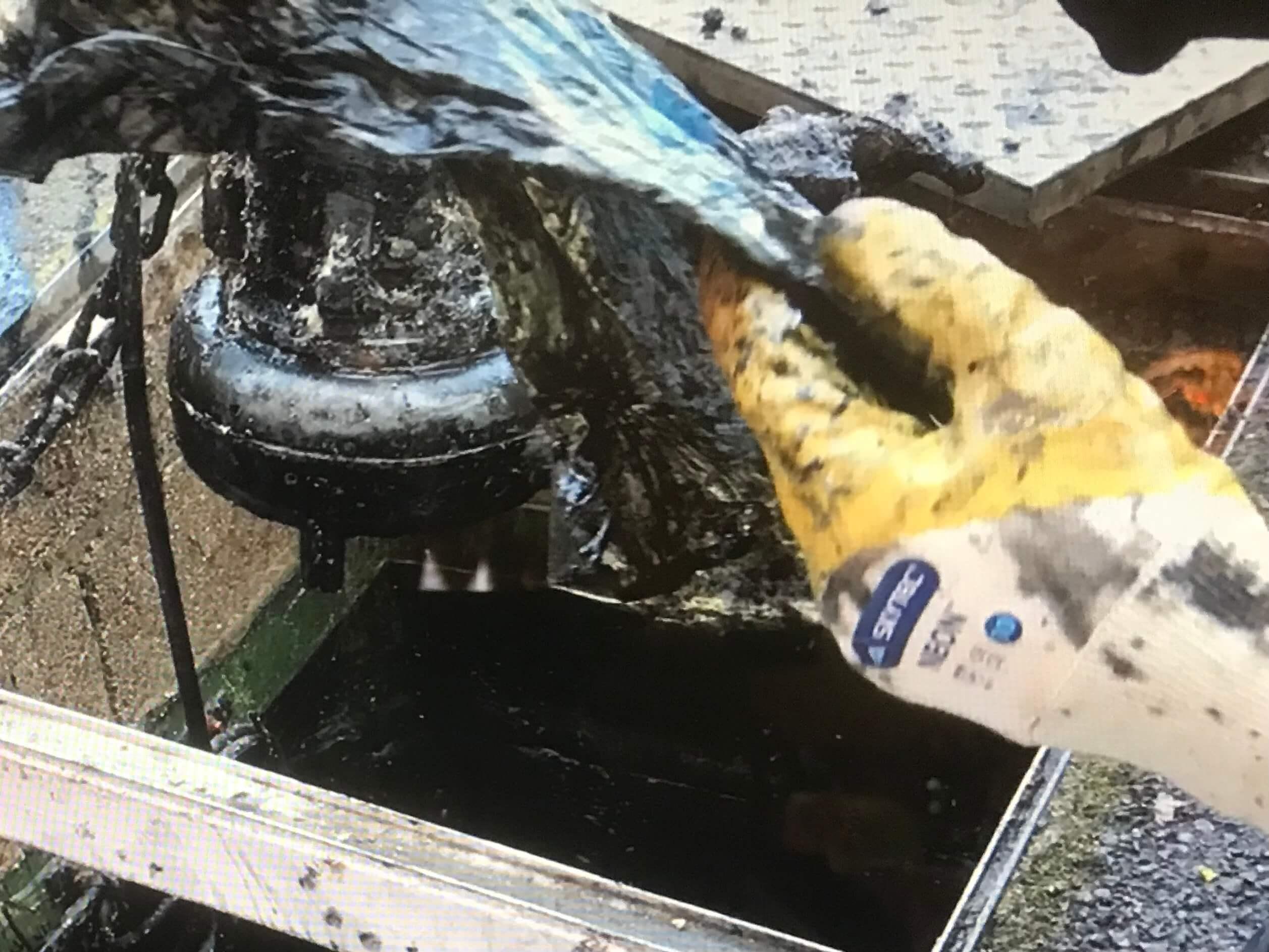
Real case: a simple rag that nearly burned out the pump.
A property in Godalming called because the pump alarm kept going off.
Here's what was found:
- The floats were coated in fat, so they weren't triggering properly
- The non-return valve was half-blocked with grit
- A single rag (yes, a bit of cloth) had wrapped around the impeller like a ribbon
It doesn't take much. That rag was worth £1.80.
But it nearly caused a £1,200 pump replacement.
The floats were cleaned, the grit cleared, the capacitor and wiring checked. Left working like new.
The owner said:
"No one told me floats needed cleaning."
That's the problem. Most people aren't told.
What regular maintenance catches.
A proper pump station service checks:
- The floats, making sure they trigger cleanly
- The pump impeller, removing any rags, hair, or blockages
- The non-return valve, ensuring it shuts properly
- The capacitor and electrics, checking for signs of burnout or failure
- The chamber itself, making sure it's not filling with debris or scale
It's not just about cleaning. It's about preventing failures.
How often should you service a pump station?
It depends on usage, but here's a rough guide:
- Every 6 months for busy homes or large families
- Once a year for most average-sized households
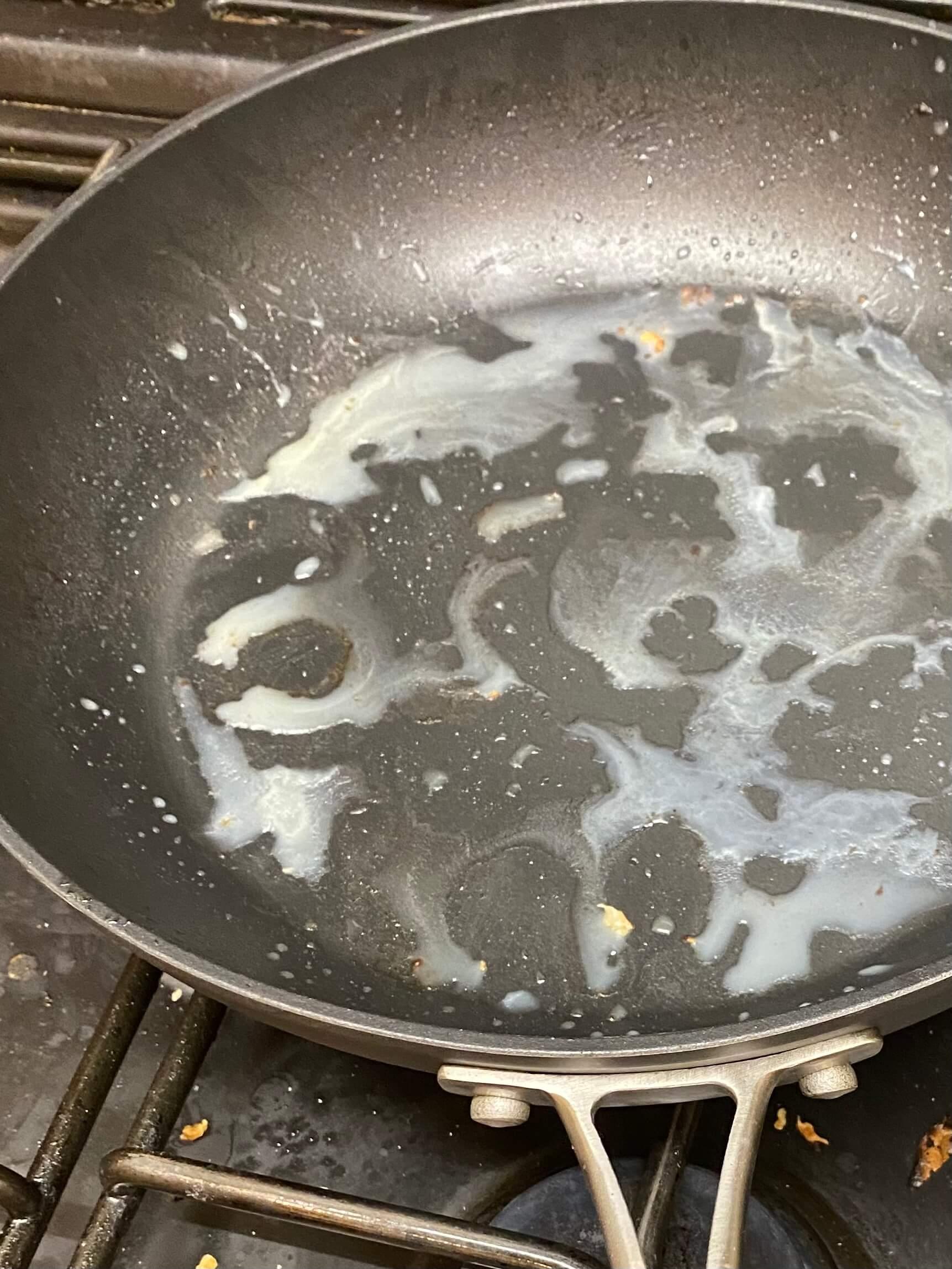
- More often if your kitchen discharges into it, as fat speeds up build-up
Engineers carry the tools and parts to get the job done in one visit. No delays, no guessing.
Don't wait for the alarm to sound.
By the time your pump alarm is sounding, the problem's already begun.
By then, it could mean an expensive fix.
📞 Call ASL Limited on 0800 181 684. Ask for a pump station maintenance visit, and avoid future mess.
We cover Surrey, Berkshire, Hampshire, West Sussex and South West London.
Related services.
To learn more about how ASL Limited can help maintain your pump station:
