
How often should you empty a septic tank or treatment plant?
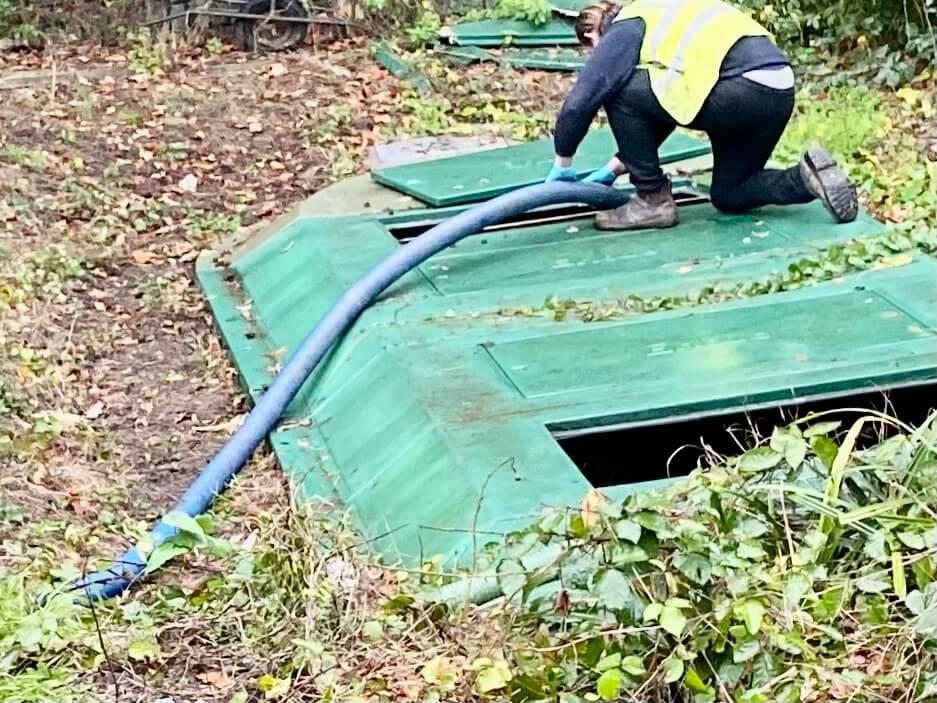
Here is the truth:
Most people do not think about emptying their septic tank or treatment plant until there is a smell, a backup, or a soggy lawn.
Panic often sets in at that point. It is not exactly top of the to-do list for most people. If you have a private system, emptying it regularly is essential. Regular emptying protects your home, your garden, and the environment. It also stops things going wrong when you least expect it.
It is the question everyone asks (usually after it is overflowed).
So how often should it be emptied?
Here is a rough guide, but it depends on a few key things:
- Standard septic tank: usually every 12 months
- Modern treatment plant: every 6 to 12 months, depending on use
- High-usage or large household systems: possibly more often
Maybe a more interesting question is why do we empty septic tanks? Read our blog here.
These are just ballpark figures. The real answer depends on how the system is being used and how it has been maintained.
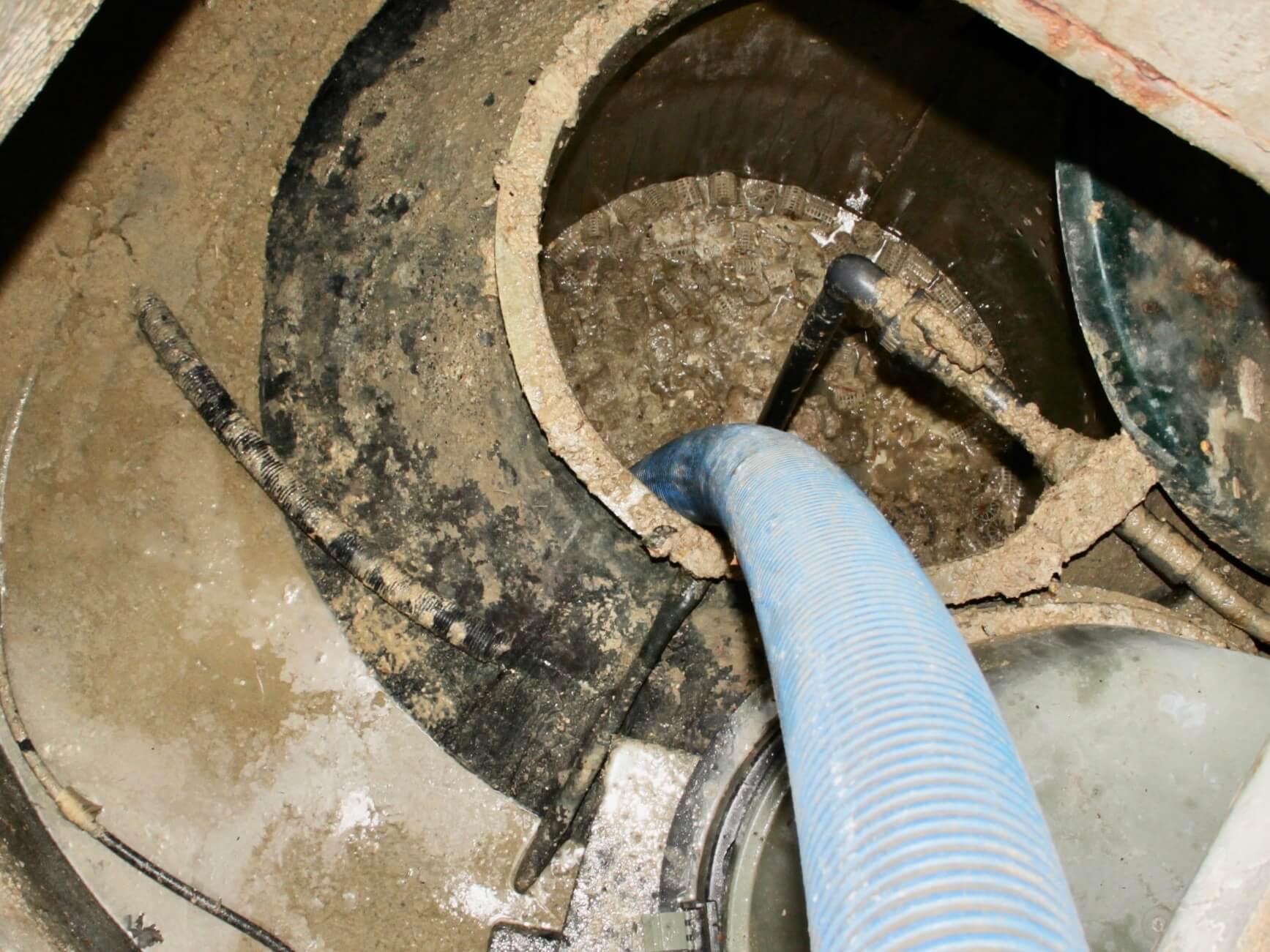
The factors that change everything
Every system is different. These are the main things considered when advising a customer:
1. How many people live in the house?
More people means more waste. A holiday let, for example, might need emptying more often, especially if there is heavy use and short gaps between bookings.
2. What kind of system is it?
Some older septic tanks have separation. They fill up with solids if left for years, so they should still be emptied once a year. This allows for the separation needed for secondary treatment in the land drains and light aerated soil. Modern treatment plants use chambers, bacteria, and air blowers. These need a different maintenance rhythm.
3. Have any ‘non-biological’ materials gone down the drain?
Wipes, sanitary products, fats, and cleaning chemicals all shorten the lifespan between empties and cause solids to build up faster.
4. Has it ever been properly serviced?
Sometimes a tank has not been touched in years. It might seem to be working fine until it is not.
The danger of waiting too long
Systems can collapse because the solids got so thick they forced their way into the treatment chamber. Sometimes, solids get into the land drains when using a septic tank, and no treatment happens there. When that happens, you are not just emptying anymore—you are repairing or replacing land drains. It is far better to empty on a schedule.
Think of it like servicing your car. If you ignore it too long, the cost goes up fast.
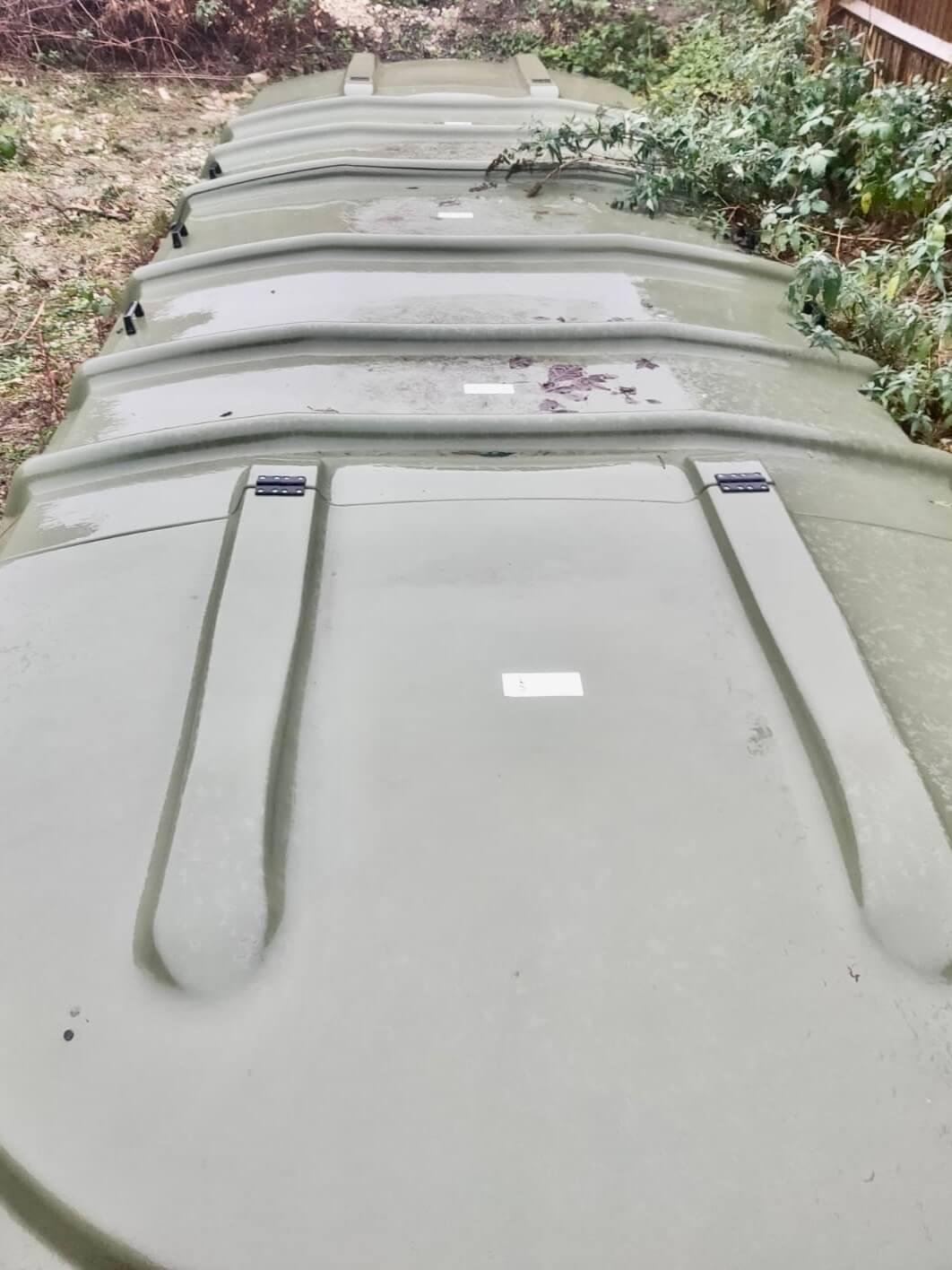
What ASL Limited does when emptying a tank or plant
This is not just a “suck and go” job. When your system is emptied, we:
- Check the levels in each chamber
- Visually inspect for damage, cracks, or signs of contamination
- Take note of smells, movement, or signs the bacteria are not working properly
- Report back and advise if repairs, servicing, or a deeper clean are needed
Our tanker teams work alongside our drainage engineers. If something is wrong, it will be spotted and sorted.
The sign it is overdue? Smells, soaking, or gurgling
If you are noticing:
- A bad smell in the garden
- Pooling water near the tank or covers
- Gurgling toilets or slow-draining sinks
It is likely well overdue, or too late. Sometimes these signs appear weeks or months before a full backup. The earlier you act, the easier and cheaper it is to fix.
Quick tip for new homeowners
If you have just moved in and are not sure when the last empty was, do not wait. Get it emptied now, set the baseline, and let ASL Limited help you plan from there.
Time to empty your tank?
📞 Call ASL Limited on 0800 181 684. It will be handled properly, not just pump and go.
We cover Surrey, Berkshire, Hampshire, West Sussex and South West London.
