
The truth about fat, oil, and grease in your drainage system
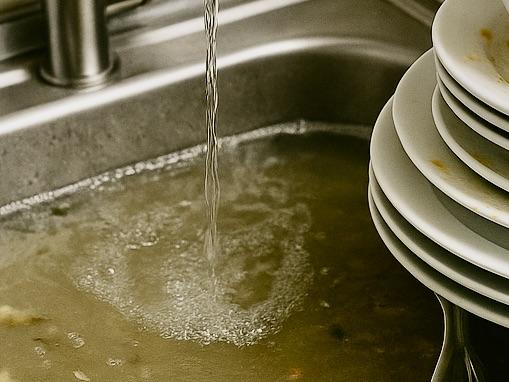
We hear it all the time.
“I do not put fat down the sink.”
Most people genuinely believe that. They picture fat as big lumps, like bacon grease or chip oil, something obvious. The truth is, fat, oil, and grease (FOG) enters the system differently. It is not in big slugs, but in microscopic, near-invisible layers, building up bit by bit. It does not look like a problem. Until it is.
Here is what actually happens (and why you cannot see it)
When you rinse a pan, even if you have wiped it first, or wash a plate with gravy, oil, butter, or dressing, a tiny amount of oil remains in the water. That is all it takes. That fat, often less than 0.7 mm thick, coats the inside of your pipes. It sticks and accumulates. It does not flow like water. It clings, like grease gone cold in a frying pan. Over the next few weeks, over the next few months, that pipe is quietly getting narrower and narrower.
One day, it just stops flowing
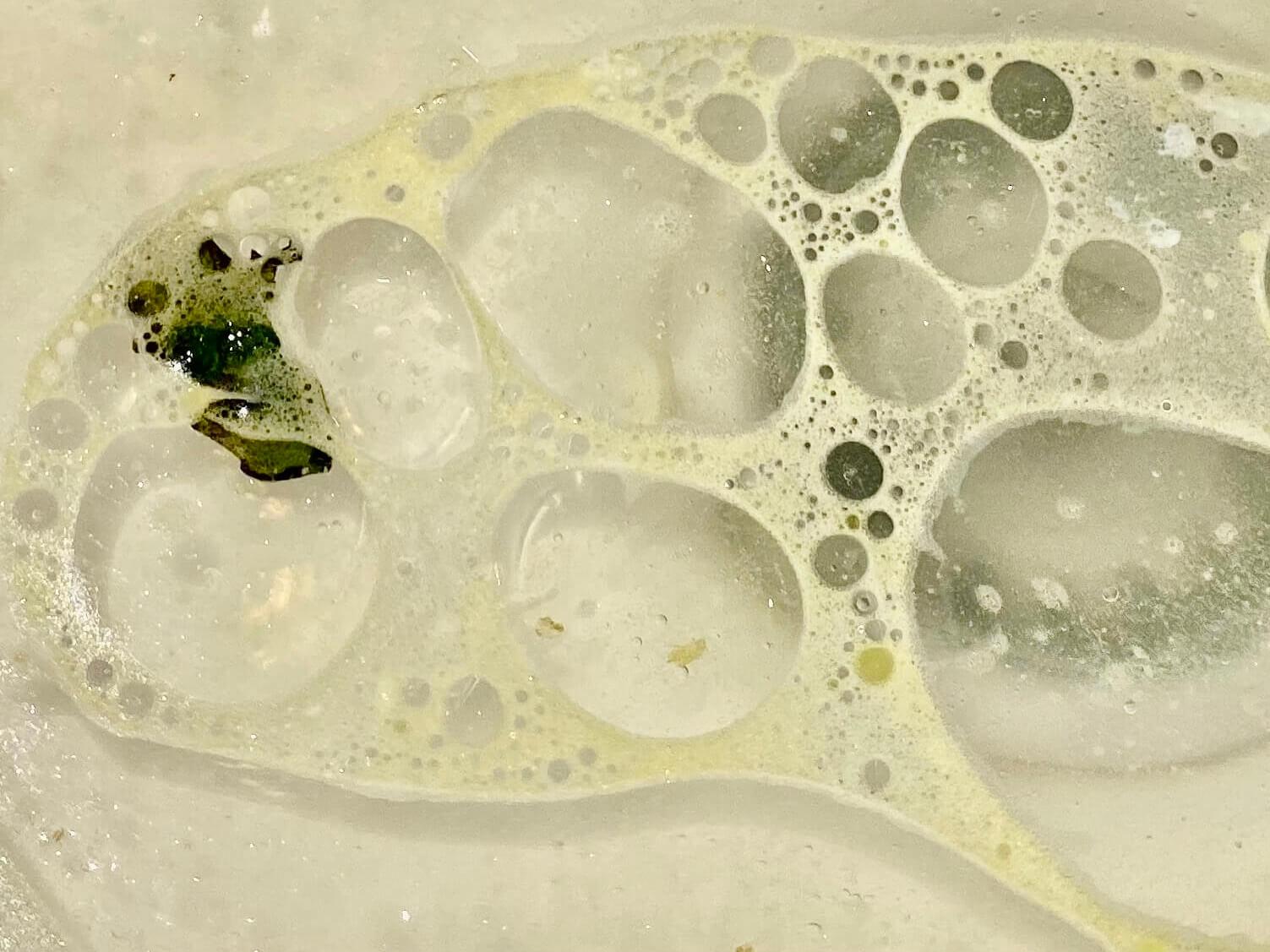
At ASL Limited, this has been seen countless times. A customer calls up with a slow drain or a gurgling treatment plant.
The customer is shocked when shown the inside of the pipe, lined with thick fat, nearly closing it off. The reaction is always the same: “We do not put fat down there!” But the pipe does not lie.
Even if you jet it, the problem is not over
Let us say you get it cleared. The drain is jetted and starts to run again. Is the problem solved? Not quite. If you jet and clean the pipes, the fat must be removed with a tanker as it reaches the holding tank. Fat in the pipe ends up coating the media inside your treatment plant, or clogging the land drains connected to your septic tank. That causes long term issues, smells, poor treatment, and system failure. It cannot just be removed once and be done. You have to stop it at the source.
I used to get it wrong too
Years ago, I used to say to customers: “Do not worry, it is just fat. We will remove it.” That was wrong. Fat in your system is not just a blockage. It is a silent killer of long-term drainage health. When it coats the inside of your treatment plant, or clogs up the media where bacteria break down waste, you are no longer cleaning the water properly. It costs far more to fix later than to prevent now.
What you can do instead (and what to watch for)
Here is what we recommend:
- Wipe your pans before washing – kitchen roll works fine
- Pour cooled cooking oil into a jar or tin, not the sink
- Empty fatty sauces and dressings into the bin, not down the drain
- Schedule regular inspections if you have a treatment plant or septic tank
- Look out for signs – smells, gurgling, rising levels, or slow flow
Final thought: fat does not warn you until it is too late
The problem with fat is, it builds up quietly. It does not shout like a blocked gully or an overflowing manhole. It just clings and accumulates until your system fails. Next time you rinse that pan or bowl, just pause for a second and think: Where is that grease going? It does not disappear. It just moves further along your system, until one day, it stops everything.
Need help with fat build-up, slow drains, or treatment plant maintenance?
Call ASL Limited on 0800 181 684. The truth will be explained, you will see what is really happening, and it will be sorted quickly.
We cover Surrey, Berkshire, Hampshire, West Sussex and South West London.
