
Sewage treatment plants: common mistakes
It is easy to think a domestic sewage treatment plant will just look after itself.
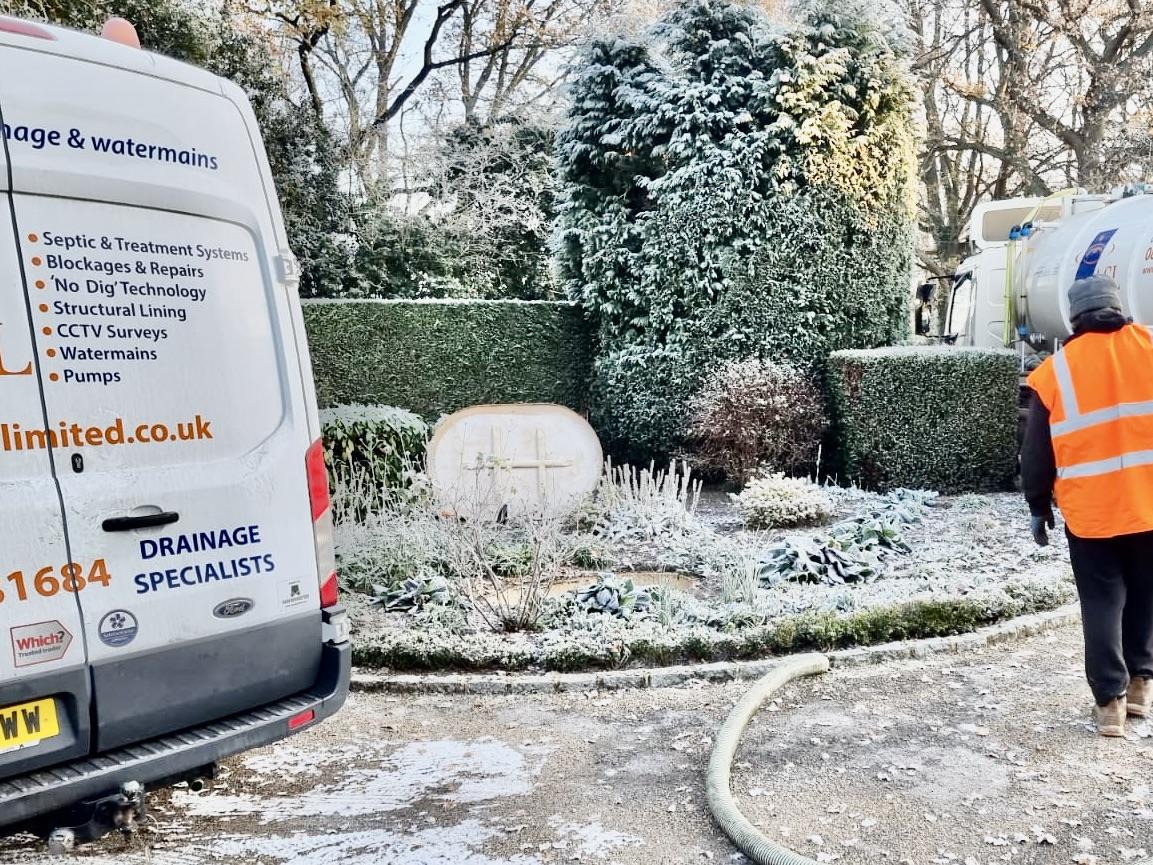
Most of the time, it is buried in the garden, it hums quietly, and you do not even see it. At ASL Limited, callouts are common for treatment plants that have failed due to simple, preventable mistakes.
Here is what we see go wrong, over and over
Not emptying the sludge
Every treatment plant separates solids from liquids, but the sludge does not disappear. It builds up. If the tank is not emptied on time, it overwhelms the system, damages the media, and pushes solids into the final chamber or, worse, out into the environment.
Rule of thumb: empty it once a year, or more often if you have a larger household.
Switching off the power
Sometimes electricians, builders, or even homeowners switch the system off for a while. Treatment plants rely on oxygen. When the power is cut, the beneficial bacteria die off. By the time it is switched back on, the ecosystem inside the tank is ruined, and it can take weeks to recover.
Using the wrong cleaners or disposing of fat
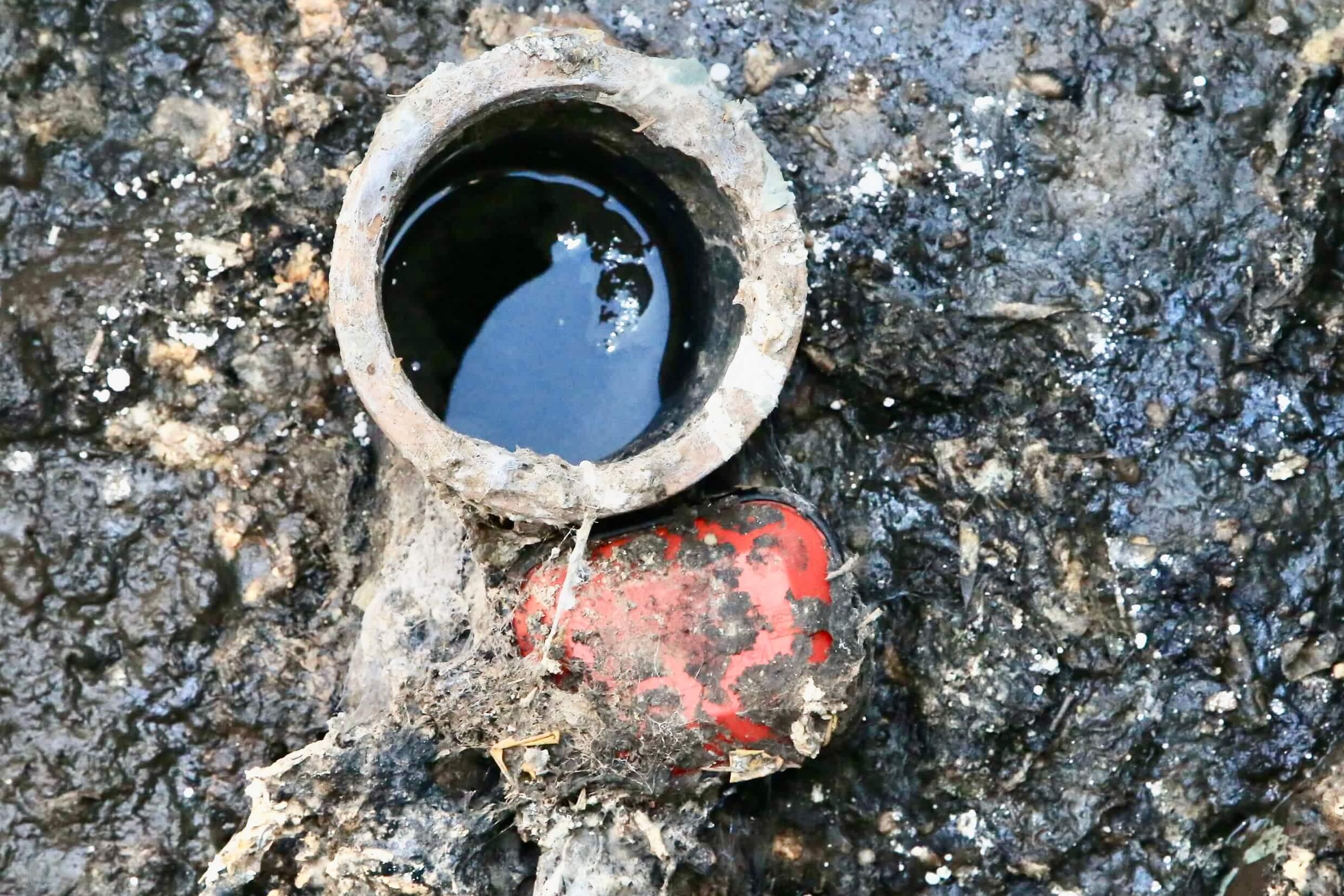
Bleach, disinfectants, paint, or fat and oil down the drain can all damage the treatment process. These chemicals either kill the bacteria or coat the media, meaning the plant cannot function. Once this happens, you might not notice right away, but the signs will come: smells, alarms, blockages, and pollution.
Ignoring the alarm
Most treatment plants have some kind of alarm, but many owners switch it off or ignore it. That buzzing or flashing light is a warning: the pump might be stuck, the blower might be failing, or the outlet could be blocked. If left too long, a full replacement might be needed instead of a minor fix.
Installing in the wrong place
Treatment plants are sometimes installed too close to buildings, in the wrong soil conditions, or in places with a high water table. This can cause the system to float, water to pond on the surface, smells to blow toward the house, or pollution risks if not contained. Positioning is always planned carefully, sometimes ten to fifteen metres away, to protect both the system and the home.
A real job that went wrong
ASL Limited was called to a property where a treatment plant had stopped working entirely. The solids had built up so high, you could walk across the surface of the tank without sinking. The separation wall had failed, and raw sewage was discharging untreated into the ground. The customer had not emptied it in five years. The tank was pumped, the outlet was jetted, the soakaway was inspected, and eventually a full replacement was recommended due to contamination.
How to avoid these mistakes
ASL Limited can help you stay on top of your treatment plant with:
- Scheduled emptying and reminders
- Full inspections with CCTV and pump checks
- Alarm diagnostics and aeration checks
- Advice on cleaning products and maintenance habits
- Replacement media or rebuilds, if required
When ASL Limited installs a system, it is built properly, with a full soakaway plan, ventilation route, and access chamber layout, so it can be looked after easily for decades.
Thinking of installing a treatment plant?
ASL Limited will always check first whether you are near a main drain connection. If you are within thirty metres, you may not be allowed to install a private system at all. If you need a soakaway or drainage field, the right testing and permitting process is essential, or you could be forced to dig it all up again.
Let us help
Do not risk a failure just because the plant seems quiet. Call ASL Limited on 0800 181 684 or contact us for a treatment plant health check. It is better to catch a small issue early than wait for something to go very wrong.
We cover Surrey, Berkshire, Hampshire, West Sussex and South West London.
